United Masonry Incorporated
Words: Travis FrantzMCAA: Tell us about the history of your company?
Travis Frantz: United Masonry Inc. of VA was founded in 1953. We are one of the largest masonry contractors in the Washington D.C. metro area. For over 65 years we have provided masonry services in multi-family residential, institutional, heavy industrial, public sector, and health care industries. We have served as a leader in quality and customer satisfaction year after year. United Masonry has been awarded multiple “Masonry Contractor of the Year” awards and AIA architectural craftsmanship awards.
MCAA: What do you think has been the key to your company’s success?

Travis J. Frantz
Frantz: No company can survive without the loyalty of its workforce. United Masonry takes much pride in taking care of its workers. Also, we have earned the respect of our clients and they come back to us project after project because they know they can rely on us for quality, timely delivery schedule, and safe work practices. As with any company, we learned to adapt to changing economics through the years.
MCAA: What advice would you offer a budding mason contractor?
Frantz: In today’s market, a masonry contractor has to know where his numbers should be. A bid can be lost over a few thousand dollars. One way to help win work is to create relationships. Having a relationship with the people you are bidding to and having face to face communication with them can sometimes give you the opportunity for a second look at your bid and perhaps allow you to make changes required to win the work. In addition, that relationship may be what lands you that next project. United Masonry has clients who seek us out to bid on their projects because they know what they are getting when our team is working the project.
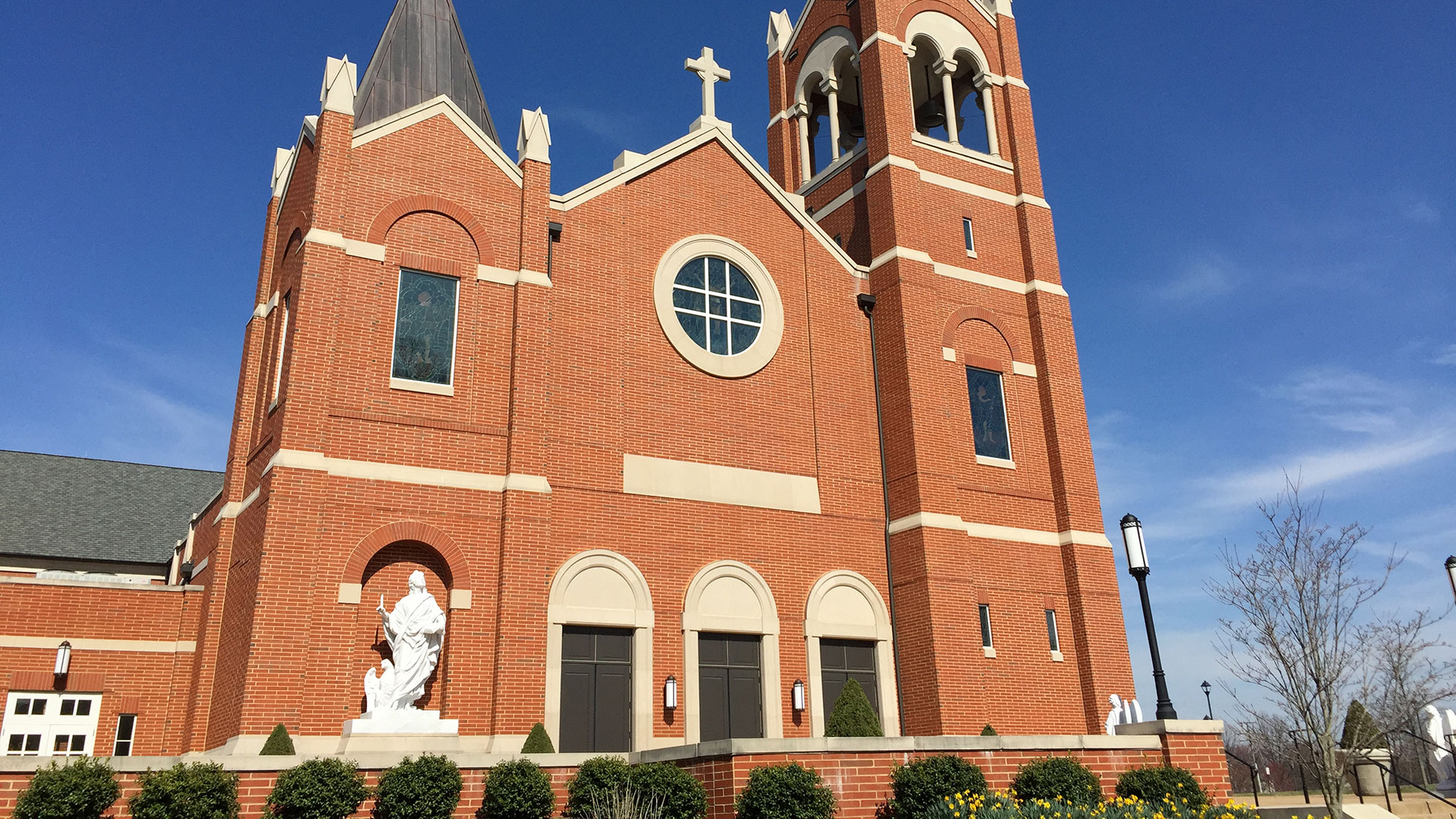
St. John’s Catholic Church - Leesburg, Va.
MCAA: What do you feel is the masonry industry’s biggest challenge in the future?
Frantz: Manpower shortages and shifts in work culture have already begun to alter the way projects are run. Stiffening immigration regulations, post-recession workforce reduction, and lack of vocational school training programs are beginning to force companies to come up with new ways to attract and retain qualified workers needed to maintain project schedules. New technologies in masonry robotics now hitting the masonry production field requires additional training and change of philosophy on how brick and block are laid.
MCAA: What is your favorite aspect of being a member of the MCAA?
Frantz: The MCAA is always a great resource for information. Whether it is new technology, news, seminars and training, or legislation affecting the masonry industry, you can always find he information you need at the MCAA.