The Mason’s Mark: Defining the Craft Through the Trowel
Words: Mark Maleski
Photos: Trowel Trades
Step onto any job site, from a custom residential chimney to a sprawling commercial block wall, and you will hear it before you see it: the distinctive ring of high-carbon steel striking masonry. The trowel is more than just a mortar scoop; it is the conductor’s baton of the job site. It sets the pace, determines the quality of the bond, and over a 30-year career, becomes the defining factor in the health of a mason's wrist and shoulder.
While the basic premise of the trowel hasn't changed in centuries, its design nuances have evolved into a science. For the modern mason, understanding the interplay between pattern, size, lift, and handle composition is not just about preference; it’s about longevity in the trade.
The geography of a trowel blade dictates its function. While there are dozens of regional variations, the professional landscape is dominated by two primary geometries, each serving a distinct philosophy of movement. The London pattern is the scalpel of the masonry world. Distinguished by its diamond-shaped heel, it forces the mortar load toward the center of the blade, offering superior balance. This allows for "buttering" a brick with a flick of the wrist rather than a heavy arm movement.
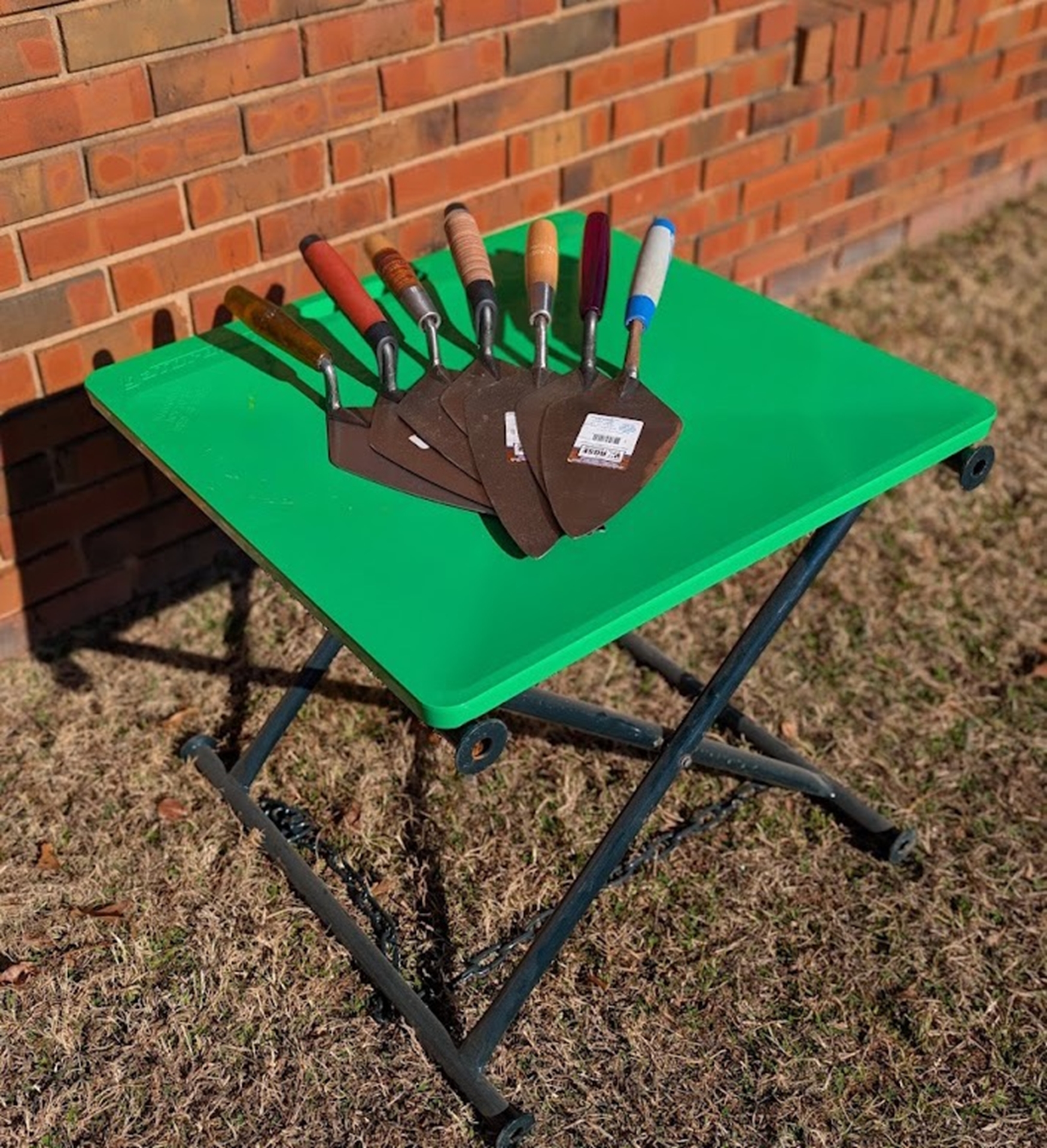
The Narrow London is the choice for veneer work, paving, and restoration, offering agility in tight joints, while the Wide London bridges the gap, offering the balance of a London with a heel wide enough to carry mortar for an 8-inch block. In contrast, the Philadelphia pattern, identified by its squared-off heel, maximizes surface area near the handle, holding more mortar than any other pattern. Designed for block layers who need to spread a heavy bed joint for multiple CMUs in a single pass, its square heel also acts as a highly effective scraper for cleaning the face of the block. The trade-off is a "tail-heavy" feel that requires a stronger forearm but rewards the user with fewer trips to the mortar board.
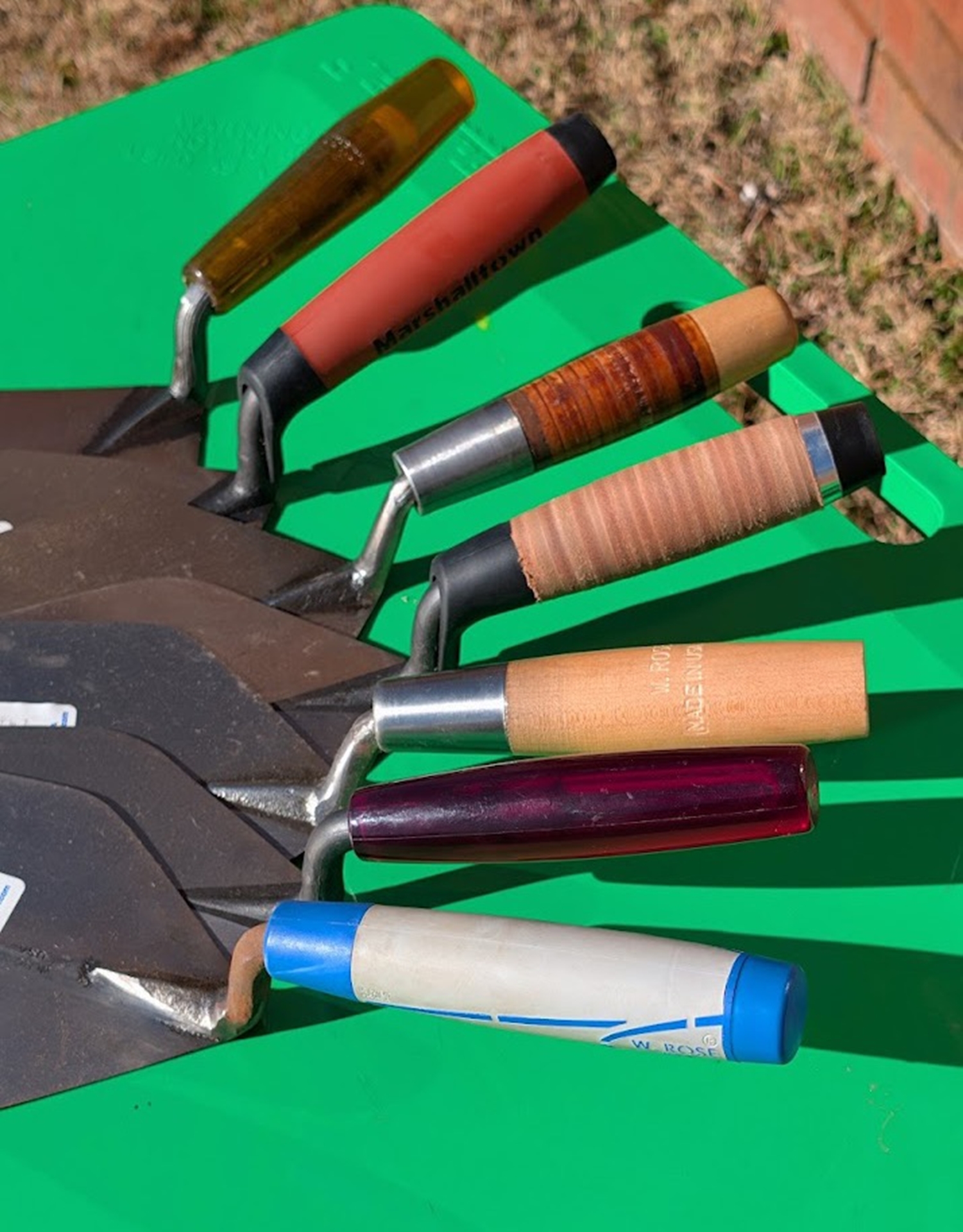
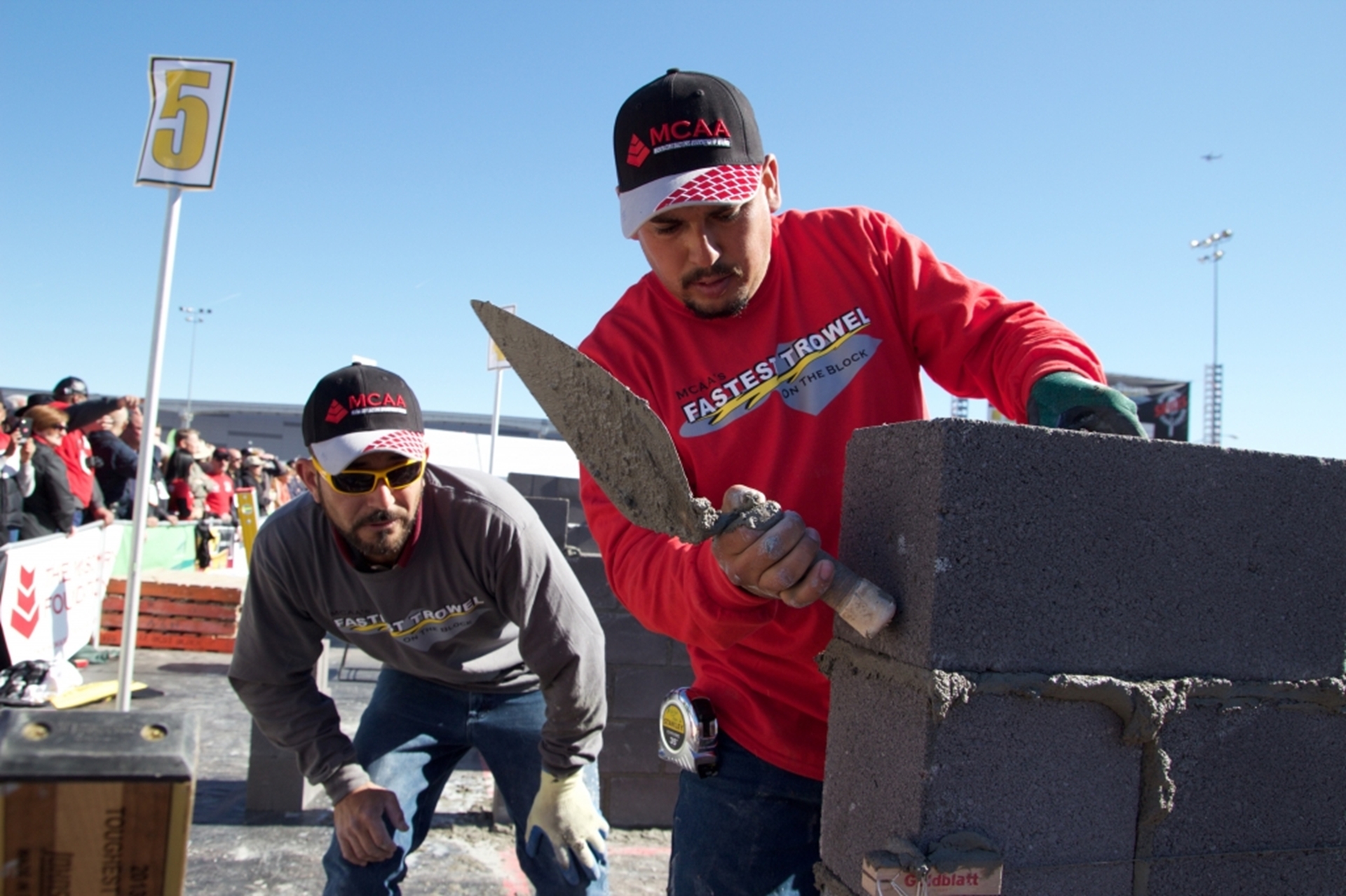
In terms of sizing and lift, many apprentices mistakenly buy the largest trowel they can find, assuming a bigger blade equals faster production. However, veteran masons know that control equals production. Trowels typically range from 9 to 13 inches, with 9 to 10 inches reserved for detail work and smaller hands, 10.5 to 11.5 inches considered the "sweet spot" for brick, and 12 to 13 inches the domain of the production block layer. The "lift" of a trowel, or the angle at which the handle rises from the blade, is another critical factor. High lift provides more clearance, keeping hands clean, while low lift offers a more connected feel but increases the risk of scraping knuckles against the wall. Although a lift is often a fixed feature of the forging, masons may manually bend the shank to customize the angle to their specific height and arm length.
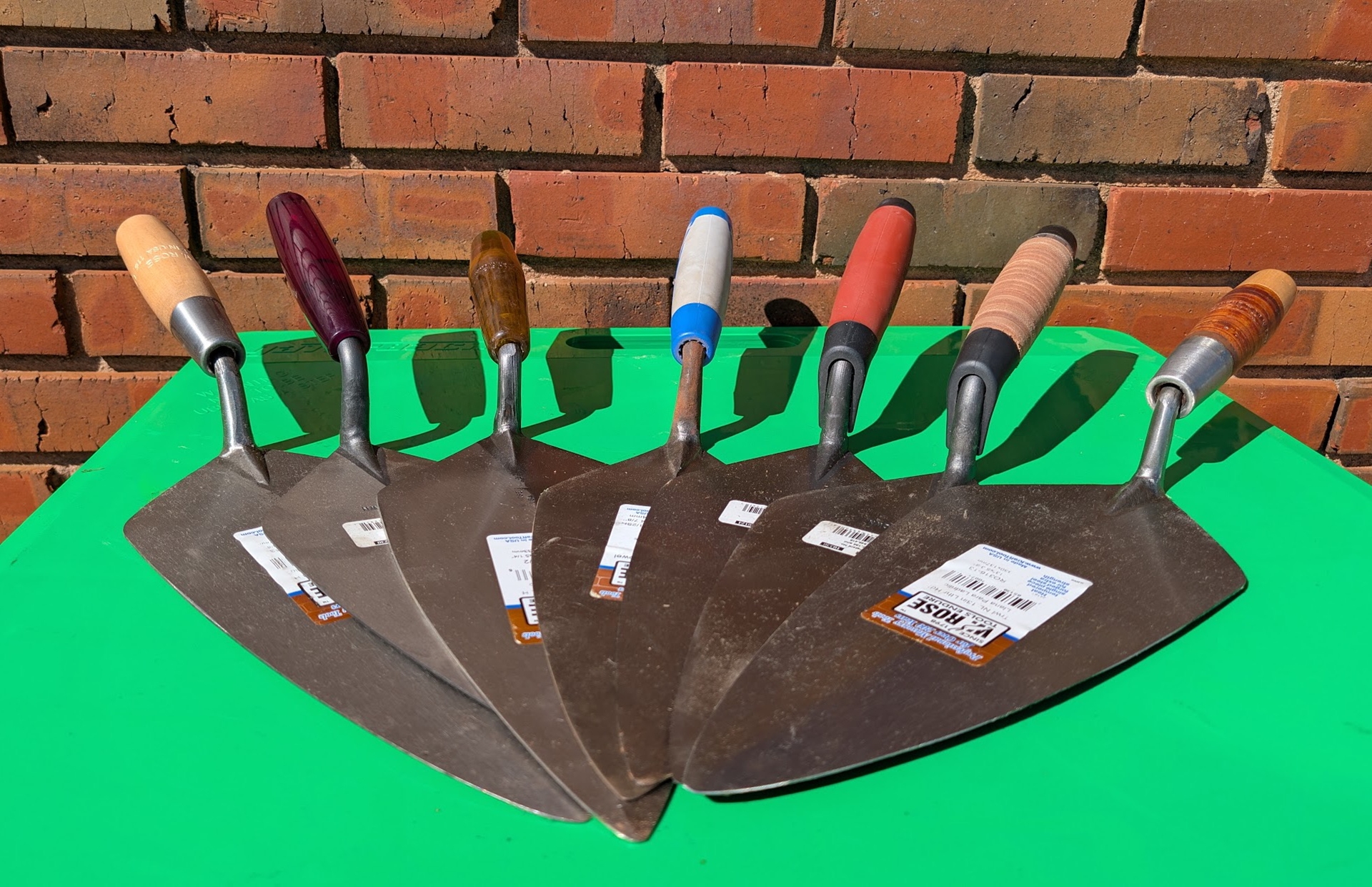
In terms of sizing and lift, many apprentices mistakenly buy the largest trowel they can find, assuming a bigger blade equals faster production. However, veteran masons know that control equals production. Trowels typically range from 9 to 13 inches, with 9 to 10 inches reserved for detail work and smaller hands, 10.5 to 11.5 inches considered the "sweet spot" for brick, and 12 to 13 inches the domain of the production block layer. The "lift" of a trowel, or the angle at which the handle rises from the blade, is another critical factor. High lift provides more clearance, keeping hands clean, while low lift offers a more connected feel but increases the risk of scraping knuckles against the wall. Although a lift is often a fixed feature of the forging, masons may manually bend the shank to customize the angle to their specific height and arm length.
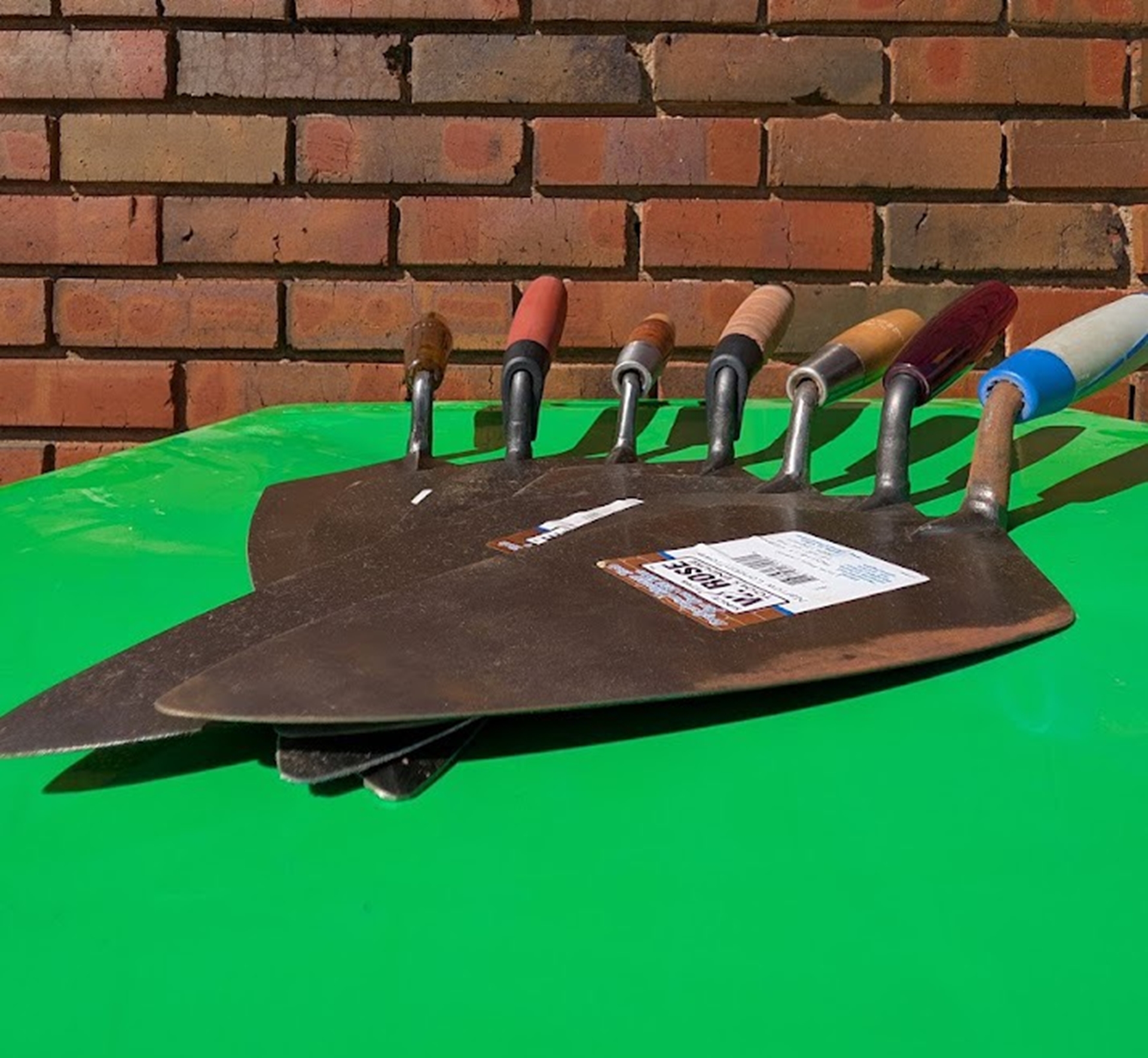

When breaking in a new trowel, it's essential to strip the lacquer coating with sandpaper to prevent friction. This initial preparation allows the mortar to naturally polish the blade over time. Daily care includes washing, drying, and oiling the blade to prevent rust and maintain its efficiency. While the trowel is the star of the show, essential accessories like jointers, line blocks, braided lines, mason’s hammers, soft bristle brushes, and modular spacing rules ensure the wall is built straight, clean, and to code.
Ultimately, the "best" trowel is the one that disappears in your hand. For the residential brick mason, an 11-inch Wide London W. Rose with a leather handle often provides the perfect balance of capacity and agility. For the commercial block mason, a 12-inch Marshalltown Philadelphia with a soft-grip handle offers the raw volume and durability needed to survive the job site. When at the supply house, don't just look at the brand. Pick it up, feel the weight, check the lift. Remember, you are going to lift that tool thousands of times a day. Choose the one that feels like an extension of yourself.